
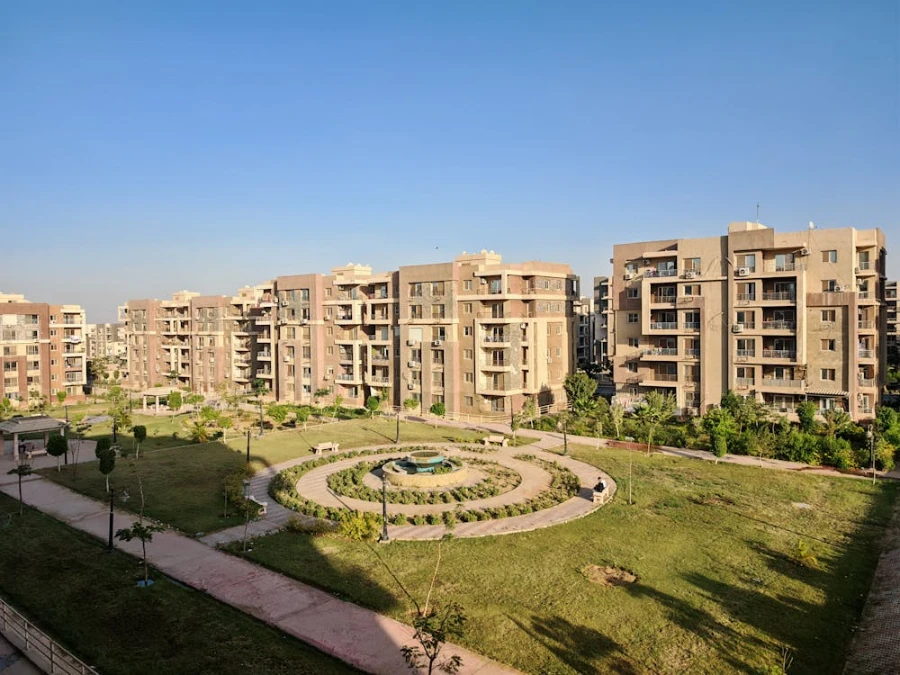
Photo courtesy of Mahmoud Zakariya via Pexels
Buying a condo is already a big decision—choosing which category makes it even trickier. A luxury condo may promise privacy, prestige, and “everything within reach,” but you might worry about higher monthly dues and whether the premium actually improves daily life. A mid-range condo can feel more financially comfortable, yet you may wonder if you’ll outgrow it or miss out on long-term value. If you’re balancing lifestyle, budget, and future plans, this comparison is meant to make the choice feel clearer—and less stressful.
At Condo Arena, we know buyers don’t just want glossy photos—they want context. Our goal is to help you compare condo options more confidently, whether you’re prioritizing commute convenience, condo amenities, resale potential, or rental performance. With the right side-by-side research, it’s easier to see which features are truly worth paying for and which ones only look impressive on paper. In the latest Bangko Sentral ng Pilipinas Residential Property Price Index (RPPI) Report (Q2 2025), nationwide housing prices still rose 7.5% year-on-year, slightly slower than 7.6% in Q1 2025—a useful reminder that market movement continues, but outcomes can vary by segment and location.
In this article, we’ll compare luxury and mid-range condos across design quality, condo amenities, location, security, developer reputation, and total cost of ownership—including fees and hidden expenses. You’ll also get a simple checklist to match the right condo type to your lifestyle and investment goals. Keep reading, then compare your top options faster using Condo Arena.
Understanding the core differences between luxury and mid-range condos
At first glance, the gap between luxury and mid-range condos seems like a simple price difference—but what you’re often paying for is how the building is experienced day to day. Luxury developments typically prioritize privacy, design distinction, and higher-touch services, while mid-range condos focus on practical layouts, broader accessibility, and value-driven amenities. Both can be strong choices in condo Metro Manila, but they tend to serve different lifestyles and investment strategies, especially if you’re trying to narrow down the best condo in Manila for your needs. Current market commentary also points to sustained interest in mid-income condo demand, which makes it even more important to compare what truly drives livability and long-term value—not just the upfront price.
Design & construction quality (materials, craftsmanship, architecture, sustainability)
Luxury condos often show their “premium” through higher-grade finishes, better sound insulation, and more generous unit proportions (for example, wider living areas and more spacious bathrooms). You’re also more likely to see distinctive architecture and lower density per floor, which can support privacy and a quieter home environment. Sustainability can be another marker: some projects pursue green building certifications, which may reflect stronger standards for building performance and indoor comfort. In the Philippines, BERDE is identified by the Department of Energy as the national voluntary green building rating system—useful context if you’re comparing developments that claim greener design.
Amenities (pools, gyms, concierge, co-working, pet areas, private elevators)
Luxury developments tend to focus on curated amenities—fewer shared spaces, higher upkeep standards, and stronger support staffing—so facilities feel less crowded and more consistently maintained. Service-oriented features (like concierge-style assistance, parcel handling, or more exclusive lounges) are also more common, and they can reduce day-to-day friction for residents. Mid-range condos may offer many of the same amenity types, but the lived difference often comes down to resident density: more people using the same gym hours, pool slots, elevators, and shared work areas. Over time, “amenities” become less about what’s listed and more about consistency—cleanliness, rules enforcement, and whether the space stays enjoyable after the building has aged.

Photo courtesy of Moussa Idrissi via Pexels
Location (CBD access, transport hubs, lifestyle nodes)
Luxury condos are more likely to cluster in prime addresses near major business districts and established lifestyle hubs where walkability and convenience are part of the value proposition. Mid-range condos can also be well-located, but they’re often found on CBD edges or in growth areas where neighborhood maturity, traffic flow, and nearby services continue to evolve. In Metro Manila, location can shape quality of life more powerfully than finishes because commute time affects energy, daily spending, and even family time. Colliers has noted recovery signals led by mid-income condominium demand, reinforcing that mid-range options can be especially compelling when they balance access and cost.
Developer reputation (track record, branding, project delivery)
Luxury pricing often includes a “trust premium”—buyers expect consistent project delivery, smoother turnover, and stronger long-term property management standards. Developer reputation matters in both categories, but it becomes even more critical when you’re paying for premium branding or counting on resale confidence later. For mid-range condos, track record is also a practical risk-check: how the developer handled defects, what older projects look like after a few years, and whether management stays responsive. Strong execution tends to protect building condition and buyer demand, while weak management can quietly erode value—regardless of how attractive the brochure looked at launch.

Photo courtesy of Jonathan Borba via Pexels
Safety & security (tech, staffing, redundancy systems)
Luxury condos often invest more in layered security—higher staff-to-resident ratios, tighter access control, stricter visitor and delivery handling, and building layouts that support privacy (such as fewer units per floor). Some premium projects also emphasize operational resilience through redundancy systems, though it’s important to confirm what’s actually present rather than assume. Mid-range condos can still be safe and well-managed, but busier lobbies and higher foot traffic can change how security feels in practice, especially at peak hours. Beyond safety itself, security affects comfort: it shapes how relaxed you feel returning home, receiving deliveries, and moving through common areas.

Photo courtesy of Mok Alexander via Unsplash
When you put these pieces together, the luxury vs mid-range difference usually shows up most in privacy (noise and crowding), convenience (service level and operations), and predictability (maintenance and management quality). Luxury condos often add a layer of status signaling through address, design, and exclusivity, while mid-range condos tend to prioritize function and financial flexibility—an important distinction if you’re still weighing whether is condo a good investment for your goals. This also connects to the bigger decision many buyers consider: condo vs house, where condos often win on location and convenience, while houses may offer more space and autonomy depending on your budget and preferred neighborhood. With the market still moving (as BSP’s latest RPPI data suggests), the most buyer-friendly approach is to compare what you’ll actually use, what you’ll reliably pay each month, and which features will hold up after the “new building” period fades.
Choosing the right condo based on lifestyle, needs, and budget
The “right” condo choice is the one that fits your real life and your real numbers—month after month, not just on turnover day. A luxury condo can make sense if you’ll consistently benefit from privacy, services, and premium convenience, while mid-range condos often shine when affordability, flexibility, and broader rental demand are your priorities. Because Metro Manila pricing still shifts by segment and location (with nationwide housing prices up 7.5% year-on-year in Q2 2025, it helps to decide using a lifestyle-and-cash-flow lens, not hype.

Photo courtesy of Alena Darmel via Pexels
Start with lifestyle fit (before you fall in love with a showroom)
- Proximity to work and daily routes: If you’re in the office most days, a shorter commute can be a practical “return” you feel immediately—more rest, more time at home, fewer transport costs, and less burnout. In many cases, a well-located mid-range unit can beat a pricier address if it fits your routine better.
- Preferred condo amenities: If you’ll actually use the gym, pool, or co-working space weekly, better upkeep and less crowding can be worth paying for. If you’re rarely home or prefer external gyms/cafes, you may be paying for facilities you won’t maximize.
- Family needs and future-proofing: Think beyond the “now.” Do you need a second bedroom for a child or caregiver, a quieter unit for rest, or space for remote work? Lifestyle growth is where many buyers start questioning whether they’ll “outgrow” a smaller mid-range layout.
- Investment goals: If your goal is rental income, your target tenant matters. Luxury condos can attract a narrower (often more demanding) tenant market; mid-range units can appeal to a broader pool, depending on location and unit size.
Key decision-making factors (the ones that change the outcome)
1. Monthly budget and long-term affordability
Avoid deciding based on list price alone. Build an “all-in monthly” picture:
- loan amortization
- association dues/condo fees
- utilities
- parking (if separate)
- maintenance buffer (repairs, replacements, minor upgrades)
A luxury condo that strains cash flow can become stressful when dues rise, repairs appear, or your income changes. A mid-range unit that leaves breathing room can be easier to sustain—and that stability matters if you’re asking is condo a good investment for you personally.
2. Maintenance fees and association dues
Dues are where many buyers feel the difference between segments. Premium buildings may have higher staffing, higher service standards, and more intensive upkeep, which can translate to higher monthly dues. Mid-range buildings may start lower, but dues can still rise depending on building age, repairs, and how well funds are managed. The practical buyer move is to ask for:
- what dues include (security, amenities, admin)
- how often dues have increased historically
- whether special assessments have happened (or are likely)
3. Rental demand and yield
If you’re investing, yields are a math problem first, a branding problem second. Global Property Guide’s latest dataset estimates the average gross rental yield in the Philippines at 5.57% (Q3 2025), noting variation by city, unit type, and price point—and reminding investors that “gross” yields don’t include vacancies, dues, taxes, or upkeep.
Practical implication: A mid-range condo in a high-demand pocket can outperform a luxury unit if the luxury price and higher carrying costs compress your net returns.
4. Resale potential and appreciation
Resale strength is shaped by (1) location demand, (2) building management and reputation, and (3) future supply nearby. Because appreciation can vary widely by neighborhood and condo segment, it’s safer to treat it as a potential upside rather than a guarantee—and to focus on factors you can verify today. In practice, units that are easy to “say yes” to tend to resell better: efficient layouts, reasonable dues, strong building upkeep, and locations with everyday convenience.
5. Parking, storage, and functional space needs
These are the quiet deal-breakers buyers realize too late. Validate early:
- is parking included, separate, or limited?
- is there enough storage, or will you need custom cabinetry?
- is the layout truly workable for your routine (WFH corner, laundry provision, kitchen ventilation)?
- will elevator traffic and amenity crowding affect daily comfort?
Hidden or less obvious costs (don’t skip these)
Even well-priced units can become expensive over time through:
- amenity maintenance costs reflected in rising dues
- parking premiums (separate purchase price or recurring fees)
- interior upgrades (lighting, storage, appliances, soundproofing, finishing touches)
These costs matter because they affect your net affordability and your net returns—especially if you plan to rent out.

Photo courtesy of Mikhail Nilov via Pexels
Why professional advice can protect your investment
Before committing, consider a quick consult with:
- a property lawyer (contract review, title/condo document checks, restrictions)
- an experienced agent (pricing reality, negotiation, rental comparables)
- a financial adviser (stress-testing affordability, loan structure, buffers)
This is especially helpful because condo ownership isn’t just “your unit”—it’s also a shared stake in common areas under Philippine condominium law, which is why governance documents and obligations (like shared costs) deserve careful review.
When you weigh lifestyle fit with the full cost picture—amortization, dues, rental math, resale realities, and the hidden expenses—you usually end up with a clearer answer: either the premium features of a luxury development genuinely support your daily life (and finances), or a well-chosen mid-range condo gives you stronger flexibility and value without sacrificing what you truly need.
Key takeaways
Choosing between a luxury condo and a mid-range condo is easier when you focus on what affects daily life and long-term value. Keep these in mind as you compare options in condo Metro Manila:
- Look beyond the price tag: A luxury condo premium often reflects privacy, lower resident density, stronger service levels, and higher-end finishes—not just a “nicer lobby.” Mid-range condos can still offer excellent comfort and convenience, especially when they’re well-located and well-managed.
- Compute the real cost of ownership, not just the loan: Association dues, amenity upkeep, parking premiums, utilities, and interior upgrades all affect affordability. A clear “all-in monthly cost” makes comparisons fair across categories.
- Prioritize value drivers that protect resale and rental potential: Returns often depend on location access, tenant fit, livable layouts, and consistent building upkeep—not prestige alone. Developer reputation and property management quality also shape long-term demand.
Ready to compare options confidently? Explore property listings and evaluate unit layouts side-by-side using the tools on Condo Arena, including the Property List and Real Estate Comparison features. Find the condo that matches your lifestyle, investment goals, and preferred condo size—so you can make a smarter, well-informed real estate decision today.