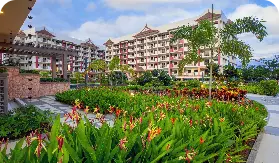
Manila continues attracting expatriates from around the globe, drawn by economic opportunities, affordable lifestyle, and vibrant culture. The Philippines' large English-speaking population, growing economy, and welcoming attitude toward foreigners make it particularly appealing for international professionals, retirees, and entrepreneurs. Finding the right condominium as an expat requires understanding legal frameworks, identifying suitable locations, and selecting properties that meet international standards.
Understanding Foreign Ownership in the Philippines
Legal Framework for Foreigners
Philippine law permits foreigners to own condominium units with important restrictions. Foreign nationals can acquire up to 40% of any condominium building's total floor area, known as the foreign quota. This regulation allows individual unit ownership while maintaining Filipino majority control of buildings. Once a building reaches its foreign quota limit, remaining units must be sold to Filipino citizens.
Foreigners can freely buy, sell, and transfer condominium units within legal parameters. Ownership is absolute—not leasehold—providing the same rights as Filipino owners except for land ownership restrictions. Condominiums built on land owned by the developer fall under these provisions, making them accessible to foreign buyers.
The process involves standard real estate transactions: reservation fee, down payment, documentation, and final payment or mortgage. Foreign buyers must provide valid identification, proof of financial capacity, and comply with Anti-Money Laundering regulations. Reputable developers like DMCI Homes, Ayala Land, and other established companies facilitate foreign transactions with proper documentation and legal compliance.
Investment Considerations
Foreign buyers should understand total ownership costs beyond purchase price. Association dues, property taxes (typically 1-2% of assessed value annually), and parking fees represent ongoing expenses. Insurance, utilities, and maintenance add to monthly costs. Comprehensive budgeting ensures sustainable ownership.
Working with accredited real estate professionals specializing in foreign transactions provides valuable guidance. They navigate documentation requirements, explain local practices, and connect buyers with appropriate legal and financial services. This support proves particularly valuable for first-time foreign buyers unfamiliar with Philippine real estate practices.
Premier Expat Neighborhoods in Metro Manila
Bonifacio Global City: The International Enclave
BGC represents Manila's most internationally-oriented district, purpose-built to attract multinational companies and their employees. The area's modern infrastructure, organized layout, and abundance of international establishments create an environment that feels familiar to expats from developed countries. English predominates in business and social interactions, easing cultural transition.
The district's pedestrian-friendly design, clean streets, and ample green spaces contrast sharply with typical Manila congestion. International schools including British School Manila and International School Manila operate nearby, attracting expatriate families. Restaurants serving authentic international cuisines—from Japanese and Korean to Italian and French—provide diverse dining options.
Condominium developments in BGC typically feature hotel-like amenities, professional management, and strong security systems. Properties like One Serendra, Grand Hyatt Manila Residences, and Shangri-La at the Fort deliver luxury accommodations with services tailored to international residents. High-speed internet, backup power systems, and modern construction standards meet expatriate expectations.
Makati: Established International Hub
Makati, Manila's traditional business center, hosts numerous multinational corporations and their expatriate employees. Decades of development created mature infrastructure with international hospitals (Makati Medical Center), schools, embassies, and diverse dining options. The city's established expatriate community provides social networks and support systems for newcomers.
Neighborhoods like Salcedo Village and Legazpi Village offer urban living within residential enclaves. Tree-lined streets, village atmosphere, and walkable access to restaurants and shops create comfortable environments. These areas attract long-term expatriate residents who appreciate the blend of Filipino culture and international amenities.
Makati condominiums range from luxury high-rises to more affordable mid-range options. Properties by Ayala Land Premier, Rockwell Land, and other premium developers provide international-standard accommodations. Professional property management, 24-hour security, and comprehensive building amenities address expatriate concerns about quality and safety.
San Juan and Greenhills: Family-Oriented Choice
San Juan City, particularly the Greenhills area, appeals to expatriate families prioritizing education, safety, and community atmosphere. Numerous international and quality private schools cluster in this area. The neighborhood's residential character, combined with shopping and recreational amenities at Greenhills Shopping Center, creates a family-friendly environment.
The area offers relatively more affordable options compared to BGC or Makati while maintaining good accessibility to business districts. Properties like One Wilson Square provide modern amenities in locations convenient for families with children. The community's established expatriate presence creates support networks for international families adjusting to Manila life.
DMCI Homes: Quality Living for Expatriates
Resort-Inspired Concept
DMCI Homes' signature resort-inspired developments appeal to expatriates seeking quality construction with abundant amenities. The company's Lumiventt Technology, providing natural light and ventilation through innovative building design, creates healthier living environments particularly appreciated by foreigners accustomed to well-ventilated homes.
DMCI's dedication to open spaces sets their properties apart in Manila's often-congested landscape. Landscaped gardens, swimming pools, and recreational areas occupying significant percentages of property area provide breathing room and lifestyle amenities. This approach to development mirrors international standards for residential quality.
Strategic Locations
DMCI Homes maintains properties throughout Metro Manila, offering expatriates location choices based on employment and lifestyle preferences. Developments in Taguig (Acacia Estates), Pasig, Mandaluyong, and other strategic areas provide convenient access to business districts while maintaining residential peace through thoughtful community design.
The company's township concept at Acacia Estates creates integrated communities where residents access amenities and services within the development. This self-contained approach appeals to expatriates seeking comprehensive living environments that reduce daily hassles of navigating Manila's traffic and services.
Quality and Professional Management
DMCI Homes' connection to parent company D.M. Consunji, Inc., one of the Philippines' largest and most respected construction companies, ensures engineering excellence and building quality. This heritage provides confidence to foreign buyers concerned about construction standards and long-term structural integrity.
Professional property management through DMCI Communities ensures consistent service delivery, maintenance standards, and community administration. Expatriates benefit from responsive management that addresses concerns promptly and maintains common areas to international standards.
Premium Developments for Expatriates
Grand Hyatt Manila Residences
Grand Hyatt Manila Residences in BGC offers the ultimate in hotel-branded residential living. Residents access Grand Hyatt hotel amenities including fitness centers, pools, spa services, and dining options. The five-star hotel management ensures service levels that meet international luxury standards.
The development's integration with Grand Hyatt hotel provides convenience for expatriates who travel frequently or host visiting colleagues and friends. Hotel services, room service, and concierge assistance create a lifestyle that bridges residential and hospitality experiences.
Shangri-La Properties
Shangri-La's residential developments bring their renowned hospitality standards to condominium living. Properties benefit from professional management teams trained in international service standards. Comprehensive amenities, prime locations, and attention to detail attract expatriates seeking premium accommodations.
The Shangri-La name recognition provides reassurance to international buyers unfamiliar with local developers. Brand reputation, coupled with actual service delivery, creates confidence in investment quality and ownership experience.
Federal Land Developments
Federal Land, a joint venture between GT Capital and Metrobank, develops premium properties that appeal to expatriate buyers. Projects like One Wilson Square and Paseo de Roces demonstrate the company's commitment to quality construction and thoughtful design.
Federal Land's financial backing and professional management ensure long-term viability and consistent service delivery. Their properties typically incorporate international design standards and amenities that meet expatriate expectations.
Essential Amenities for Expatriate Living
Security and Safety
Comprehensive security systems rank among top priorities for expatriate residents. Quality developments provide 24-hour manned security, CCTV surveillance throughout common areas, controlled access points with smart card systems, and visitor management protocols. Many buildings employ professional security companies with trained personnel.
Fire safety systems including automatic sprinklers, smoke detectors, fire exits, and regular drills ensure resident protection. Earthquake-resistant construction, backup power generators, and emergency response procedures address disaster preparedness concerns.
Modern Infrastructure
Reliable high-speed internet is essential for expatriates maintaining international connections and remote work capabilities. Premium developments provide fiber optic infrastructure and multiple provider options. Backup power systems ensure continuous electricity during frequent Manila power interruptions.
Water supply systems with filtration, backup generators for pumps, and comprehensive building management systems address infrastructure concerns common in developing countries. International-standard plumbing, electrical systems, and HVAC installations prevent the frustrations often experienced in older or lower-quality buildings.
Health and Wellness Facilities
Fitness centers with modern equipment, swimming pools, yoga studios, and sports courts enable expatriates to maintain active lifestyles without leaving their buildings. Some premium developments include spa facilities, saunas, and wellness centers that replicate amenities found in international residential complexes.
Proximity to quality healthcare facilities is crucial. Developments near Makati Medical Center, St. Luke's Medical Center, or Asian Hospital and Medical Center provide peace of mind for health-conscious expatriates and families with children.
Lifestyle Considerations for Expats
International Community and Social Life
Condominium choice significantly impacts social integration. Buildings with higher expatriate concentrations naturally facilitate social connections with other international residents. However, some expatriates prefer more Filipino-majority buildings to enhance cultural immersion and language learning opportunities.
BGC and Makati developments typically host more diverse international communities, with residents from numerous countries creating cosmopolitan atmospheres. Organized building activities, social clubs, and informal gatherings help newcomers build networks and adjust to Manila life.
Dining and Entertainment Access
Access to international restaurants, supermarkets with imported goods, and entertainment venues matters for expatriate quality of life. Areas like BGC, Makati, and Alabang offer comprehensive international dining options and specialty stores selling familiar products.
Weekend activities including golf courses, beach clubs, and recreational facilities near Manila provide escape options from urban intensity. Developments with easy access to expressways facilitate weekend trips to beach resorts in Batangas or mountain retreats in Tagaytay.
Family and Education Considerations
Expatriate families prioritize proximity to international schools offering curricula from their home countries. BGC's location near international schools makes it particularly attractive for families. San Juan and Alabang also offer good access to quality educational institutions.
Family-oriented amenities within condominiums—playgrounds, children's pools, daycare facilities, and organized activities—enhance family life. DMCI Homes and other family-focused developers design communities that accommodate children's needs while providing adult amenities.
Practical Aspects of Expat Condo Living
Initial Setup and Furnishing
Many expatriates arrive with limited belongings, making furnished or semi-furnished units attractive. Some premium developments offer fully-furnished units designed for immediate occupancy. Alternatively, Manila's furniture rental companies and affordable local furniture industries enable quick setup.
Utility connections—electricity, water, internet, and cable television—require separate applications and deposits. Building management typically assists with these processes, but expatriates should allow several weeks for complete setup. Understanding local practices regarding deposits and installation requirements prevents frustration.
Association Dues and Maintenance
Monthly association dues vary significantly based on building amenities and management quality. Premium developments charge higher dues but deliver superior service and maintenance. Understanding what dues cover—security, amenities maintenance, water, common area utilities—helps evaluate value proposition.
Some buildings levy special assessments for major repairs or improvements. While these shouldn't occur frequently in well-managed properties, expatriates should budget contingency funds for unexpected costs.
Cultural Adjustment and Community Integration
Living in a condominium provides natural opportunities for cultural exchange with Filipino neighbors. Most Filipinos are friendly, hospitable, and eager to help foreigners navigate local customs. Learning basic Tagalog phrases and respecting cultural norms facilitates positive relationships.
Building communities often organize cultural events, celebrations, and activities that welcome foreign participation. Engaging with these opportunities enriches the expatriate experience and builds meaningful connections beyond professional networks.
Working with Real Estate Professionals
Accredited Agents and Brokers
Reputable real estate companies specializing in expatriate services provide valuable assistance throughout the property search and purchase process. Agents familiar with foreign buyer requirements understand documentation needs, explain local practices, and identify properties meeting international standards.
DMCI Homes and other major developers maintain accredited broker networks trained to assist foreign clients. These professionals handle much of the transaction complexity, coordinate with legal and financial services, and ensure smooth closing processes.
Legal and Financial Services
Engaging Philippine lawyers experienced in foreign property transactions ensures legal compliance and protects buyer interests. Attorneys review contracts, verify property titles, confirm foreign quota availability, and facilitate proper documentation.
Financial advisors help expatriates understand payment options including developer financing and bank mortgages. Some Philippine banks offer foreigner-friendly loan products, though requirements differ from domestic borrower standards. Understanding total costs including taxes, fees, and financing charges enables informed decisions.
Long-Term Considerations
Property Management During Absences
Expatriates who travel frequently or eventually relocate appreciate professional property management services. These companies handle rental arrangements, tenant screening, maintenance coordination, and financial reporting. Quality management preserves property value and generates rental income during owner absences.
DMCI Homes and major developers often provide or recommend property management services familiar with their buildings. This continuity ensures consistent service and simplifies long-distance ownership.
Exit Strategies and Resale
Understanding resale market conditions helps evaluate long-term investment viability. Properties in established locations with strong developer reputations typically maintain value and attract buyers. Well-maintained units in buildings with good management command premium resale prices.
Expatriates planning eventual departure should consider rental potential and resale likelihood when selecting properties. Smaller, more affordable units often rent and resell more easily than large, expensive ones. Location near business districts and transportation enhances long-term value retention.
Making the Right Choice
Selecting the ideal Manila condominium as an expatriate requires balancing multiple factors: legal compliance, location convenience, property quality, amenities, community atmosphere, and financial considerations. Taking time to research options, visit properties personally, and understand local conditions prevents costly mistakes.
Manila's diverse condominium market offers excellent options for expatriate buyers across various budgets and preferences. From luxury branded residences to quality mid-range developments like those from DMCI Homes, international residents can find properties that meet their standards while providing authentic Philippine experiences.
The key to successful expatriate property ownership lies in thorough research, working with reputable developers and agents, understanding legal requirements, and selecting properties that truly align with personal lifestyle needs and long-term objectives.