

Photo courtesy of Pavel Danilyuk via Pexels
Buying your first condominium can feel overwhelming, especially when you’re trying to understand budgets, financing options, legal requirements, and how to choose a developer you can trust. Many first-time buyers experience pressure and uncertainty as they navigate payment terms, project timelines, and the long-term financial impact of their decision. Platforms like Condo Arena exist to make this journey easier by helping you compare properties, assess developers, conduct a condo comparison, and make informed choices grounded in clarity and confidence.
Recent market findings show that the Philippine condo sector remains strong, with mid-income projects accounting for 77% of net take-up in Q3 2025, reflecting a steady demand among new buyers who want both value and long-term potential.
In this article, you’ll find a condo buying guide designed specifically for first-time condo buyers—from budgeting and financing, to comparing developers and understanding the pros and cons of buying a condo. Whether you’re seeking clarity, reassurance, or practical next steps, this guide will walk you through every stage of the buying process. Keep reading to gain the knowledge and confidence you need to make a smart, well-prepared condo investment while investing in real estate in a way that supports your future.
Understanding the basics of buying a condo in the Philippines
For first-time buyers in the Philippines, understanding how the condo buying process works is essential before committing to any unit or developer. Several factors—from pricing timelines and ownership laws to financing requirements and long-term costs—shape both your immediate experience and your future responsibilities as a homeowner. By becoming familiar with these fundamentals early on, you can approach your condo investment with more confidence and a clearer sense of what to expect, especially if you're investing in real estate for the first time.
Preselling vs. RFO condos
Preselling condos are sold during early development stages and are typically offered at lower introductory prices with more flexible payment terms. These units often appreciate as construction progresses, making them attractive to long-term planners or investors, though they may come with risks such as project delays or changes in specifications. RFO units, on the other hand, allow buyers to see the actual unit and move in sooner, but they tend to be priced higher and offer fewer payment-flexibility options—an important consideration when comparing condo options.

Photo courtesy of RDNE Stock project via Pexels
Title and ownership laws under the condominium act
Condominium ownership in the Philippines is governed by Republic Act 4726, or the Condominium Act, which outlines a buyer’s rights and responsibilities. This includes understanding how ownership is divided between private units and common areas, as well as the role of the condominium corporation in managing shared spaces. Reviewing key documents such as the Master Deed and Declaration of Restrictions helps ensure you understand what you legally own, what rules apply to your building, and how decisions are made within the community. Being familiar with these documents also protects you from potential disputes regarding renovations, leasing, and use of shared facilities.
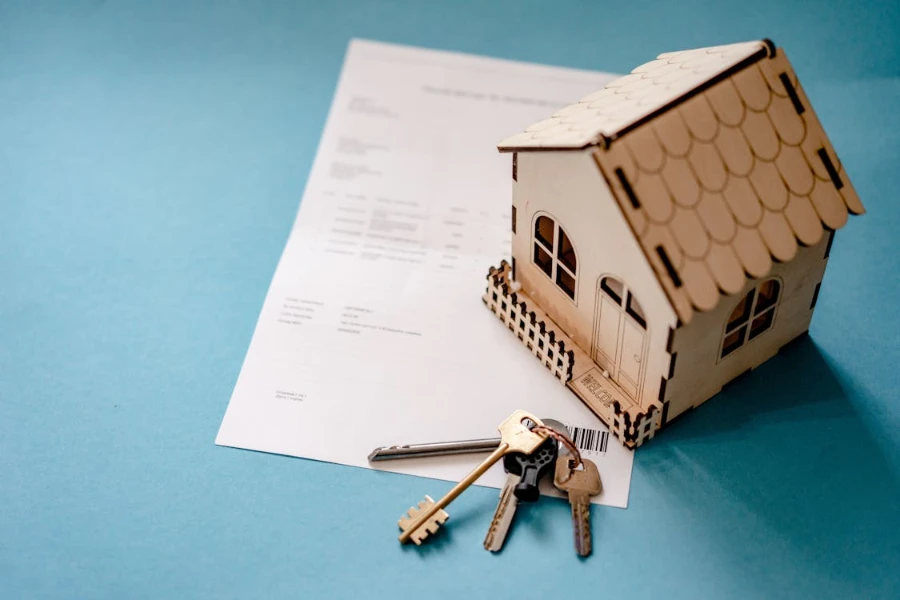
Photo courtesy of Atlantic Ambience via Pexels
Developer reputation
A developer’s track record significantly affects construction quality, turnover timelines, and the long-term value of your condo investment. Buyers are encouraged to check a developer’s license to sell (LTS), review past project performance, and read feedback from current homeowners. Established developers tend to provide clearer construction updates, stronger property management practices, and better resale values due to higher consumer trust. This makes it essential to choose a credible builder with a proven history of delivering quality developments, especially when comparing condo projects in your chosen location.

Photo courtesy of Mikael Blomkvist via Pexels
Financing options: bank, in-house, and Pag-IBIG
Financing is one of the biggest considerations for first-time condo buyers, and each option differs in the approval process and cost. Bank financing usually offers the most competitive interest rates but comes with stricter requirements. In-house financing is easier to qualify for but typically carries higher rates and shorter terms. Meanwhile, Pag-IBIG housing loans remain a popular choice for many Filipinos because of their lower monthly amortizations and longer payment horizons.
Recent figures also show that more homebuyers are turning to Pag-IBIG for accessible and affordable loan terms. In the first quarter of 2025, Pag-IBIG released ₱30.22 billion in home loans—an 8% increase from the previous year—indicating growing demand among residential buyers seeking long-term affordability

Photo courtesy of Jakub Zerdzicki via Pexels
Association dues and long-term costs
Condo ownership comes with recurring expenses such as association dues, utilities, repair costs, and special assessments. These fees cover the maintenance of common areas, security services, landscaping, and building operations, all of which play a direct role in your living experience and your unit’s long-term value. It’s important to review how dues are calculated and whether the condominium corporation maintains a healthy reserve fund for major repairs. Properties with strong management and consistent maintenance often retain better market value and experience lower vacancy rates, according to industry analyses.
Understanding these essentials gives you a stronger foundation for making informed choices as you continue exploring your options. With these basics in mind, it becomes much easier to move into the practical steps of the buying process—from assessing your financial readiness to reviewing contract details and preparing for turnover—ensuring that each decision supports both your lifestyle goals and long-term investment plans. This foundation is especially helpful for buyers searching for how to buy a condo guides or those investing in real estate for the first time.
Step-by-step guide: how to buy a condo as a first-time buyer
Buying a condominium for the first time involves a series of financial, legal, and practical steps that guide you from initial planning to turnover. Understanding each stage helps you make decisions with confidence while avoiding common pitfalls that first-time buyers often face. The following condo buying guide simplifies the entire process—from assessing your financial readiness to receiving the keys to your new home.

Photo courtesy of RDNE Stock project via Pexels
Assess your budget and financial readiness
The first step in any condo investment and in learning how to buy a condo is determining how much you can realistically afford. Begin by calculating your target monthly amortization based on your income and lifestyle needs. Most banks recommend keeping your debt-to-income (DTI) ratio at 30–40%, meaning no more than that portion of your income should go toward debt, including your future condo loan. Using a mortgage calculator allows you to simulate monthly payments based on interest rates, loan duration, and downpayment levels—helping you visualize the long-term commitment.
Next, check your existing financial obligations such as credit card payments, personal loans, or family support commitments. Make a list to compute your total monthly liabilities and adjust your housing budget accordingly. It’s also important to estimate upfront costs, which include the reservation fee, downpayment schedule, documentary stamp tax, transfer fees, and move-in charges—costs that first-time buyers often underestimate.
Building a 6–12-month emergency fund provides protection in case of unexpected expenses or income disruptions. Lenders also encourage buyers to review and improve their credit standing, as a strong credit profile can secure better interest rates and increase loan approval chances. Before deciding on a unit, pre-qualify with at least two to three banks or Pag-IBIG Fund to compare condo financing options. It’s also wise to consider long-term ownership costs such as association dues, repairs, interior furnishing, and annual property taxes to fully understand your financial commitments.
Step-by-step process of buying a condo
Step 1: Set your budget and pre-qualify for financing
After establishing your financial readiness, secure a bank pre-qualification or request a loan estimate from Pag-IBIG. This confirms your borrowing capacity and helps narrow down your condo options to match your actual budget. A pre-qualification letter also strengthens your position when negotiating with developers.
Step 2: Research developers and compare locations
Your choice of developer and location significantly influences your quality of living, property value, and future resale potential. Study multiple developers, review their previous projects, and check their license to sell (LTS) with the Department of Human Settlements and Urban Development (DHSUD). Consider accessibility to work hubs, schools, hospitals, and upcoming infrastructure projects. Tools like Condo Arena’s property comparison feature make it easier to compare condo amenities, prices, and payment terms side-by-side, helping you with condo comparison or comparing condo projects more efficiently.
Step 3: Visit showrooms or schedule site inspections
Seeing the property in person helps validate developer claims and gives you a clearer understanding of space, finishes, and surroundings. For preselling projects, review the building model, sample unit, floor layouts, and amenities. For ready-for-occupancy (RFO) units, inspect the actual unit to assess construction quality, ventilation, views, and noise levels.
Step 4: Review payment terms and contract details
Before reserving a unit, carefully review the developer’s payment schemes, interest structures, and turnover timelines. Make sure to request a copy of the Contract to Sell (CTS) and examine terms such as penalties, cancellation policies, and provisions for construction delays. It is also helpful to review the Master Deed and Declaration of Restrictions, which outline your rights as a unit owner and the rules of the building community.
Step 5: Secure reservation and prepare requirements
Once you’ve chosen a unit, pay the reservation fee to hold it under your name. Prepare identification documents, proof of income, Tax Identification Number (TIN), and notarized forms required by the developer and lender. Keeping your paperwork complete prevents delays in processing.
Step 6: Process loan approval (Bank or Pag-IBIG)
Submit all required documents to your chosen lender. Banks typically require income statements, employment verification, and the developer’s accreditation. Pag-IBIG loans, meanwhile, offer longer payment terms and are popular among mid-income buyers seeking stable monthly amortization.
Step 7: Sign the contract to sell / deed of absolute sale
After loan approval and completion of downpayment, you will sign the Contract to Sell, followed by the Deed of Absolute Sale (DOAS) once the unit is fully paid. These documents transfer ownership rights to you and are required for title processing and registration.
Step 8: Monitor construction progress (for preselling units)
For preselling units, stay updated on construction developments through official bulletins, site visits, and developer announcements. This helps you track whether the project is on schedule and ensures transparency.
Step 9: Inspection and turnover
Before accepting turnover, thoroughly inspect the unit for defects, incomplete finishes, or issues with plumbing, electrical systems, and ventilation. Developers usually provide a punch-list form where you can document and request corrections. Once satisfied, you can accept turnover and begin planning your move.

Photo courtesy of MART PRODUCTION via Pexels
Important paperwork and legal requirements
Throughout the buying process, familiarize yourself with key documents that protect your rights as a buyer:
- Contract to sell (CTS) – outlines payment terms, obligations, and turnover conditions.
- Master deed and declaration of restrictions – defines building rules, ownership structures, and common-area rights.
- Tax identification number (TIN) – required for deed processing and tax payments.
- Documentary stamp tax (DST), transfer fees, and registration costs – mandatory government fees for property transfer and title processing.
These documents ensure your purchase complies with Philippine real estate laws and safeguard your rights as a condo owner—knowledge that is essential when investing in real estate.
Why professional guidance helps
Consulting a property lawyer, a licensed real estate broker, or a financial adviser can help clarify contract clauses, estimate long-term affordability, and safeguard you from potential issues. Many real estate professionals also provide insights on current market conditions, developer performance history, and the most cost-effective financing options. Understanding their guidance also helps you evaluate the pros and cons of buying a condo in different developments.
By understanding each step—from budgeting and financing to contracts, inspections, and turnover—you build a clear roadmap for your first condo purchase. With a solid grasp of the process, you’ll be better equipped to weigh the pros and cons of different developments and make decisions that support both your lifestyle and long-term investment goals.
Key takeaways
Buying your first condo is a major financial and lifestyle decision, and understanding the full process helps you move forward with confidence. Here’s how to approach your condo investment wisely as a first-time buyer:
- Start with a clear understanding of your financial capacity. Assess your monthly budget, upfront costs, loan options, and long-term responsibilities such as association dues and maintenance. This ensures you choose a unit that aligns with both your present stability and future goals.
- Evaluate developers and projects with informed criteria. Compare locations, construction timelines, track records, master deeds, and payment terms to ensure the property fits your lifestyle, investment horizon, and risk tolerance. A well-researched choice reduces stress and increases long-term value.
- Stay proactive and informed through every stage of the buying process. From securing pre-qualification to reviewing contracts and inspecting the unit before turnover, every step contributes to a safer, smoother, and more rewarding ownership experience. Consulting professionals—brokers, financial advisers, or property lawyers—can also help you avoid costly mistakes.
Ready to take the next step toward finding the right property? Explore our curated Property List and make informed choices through our Real Estate Comparison tool on Condo Arena, and start your search with clarity and confidence.